Here you will find information regarding your sleep study at Peninsula Sleep Clinic.
Once your appointment has been scheduled you will receive a pack with detailed information regarding your sleep study. Here is a brief overview of what to expect on the night of your sleep study:
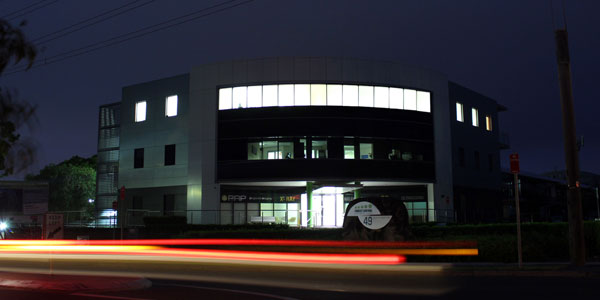
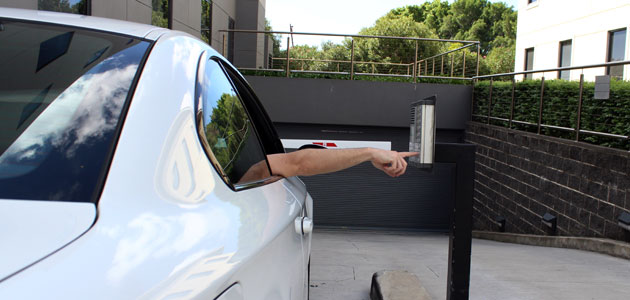
Parking – secure underground parking is available, more details on contact us page.
Paperwork – please bring a list of current medications (and any you need to take overnight) along with any remaining completed pre-admission forms.
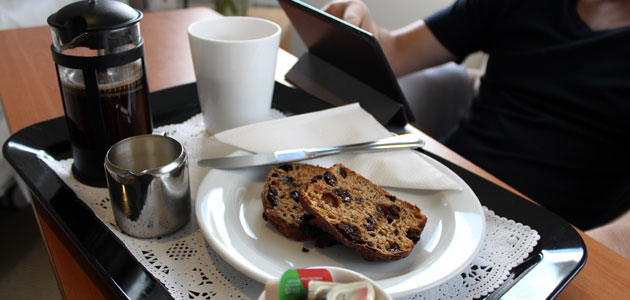
Admission – you will be greeted by our receptionist who will attend to some final pieces of paperwork with you; most importantly your breakfast selection. Make sure you have your Medicare card handy.
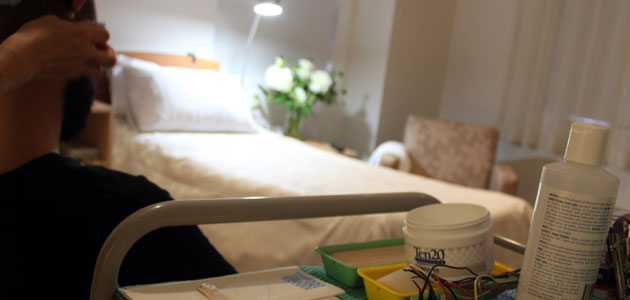
Bedroom - You will be orientated to an allocated bedroom (see Facilities) to change into your pyjamas so you are ready for set-up.
Appointment times are staggered so each patient has dedicated staff time.
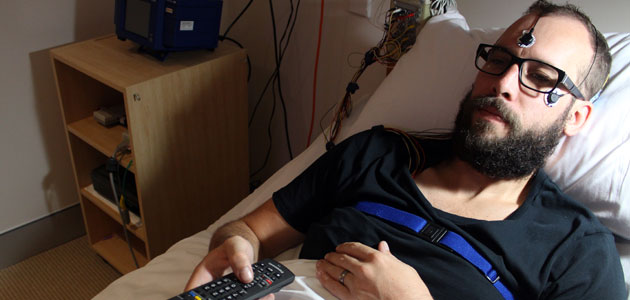
Set-up - The application of sleep testing equipment takes approximately one hour by a trained sleep technologist in your private bedroom.
Calibration - Once your equipment has been applied, there is a quick calibration (15 minutes) to ensure signal integrity for the entire night.
Relax – After the equipment set-up you may relax in your private room with ensuite, read a book, watch TV and enjoy a cup of tea (or something stronger).
Patients may bring up to three standard drinks with them if they wish; especially if this is their regular routine at home.
To ensure we record enough information lights out occurs at the latest 10.30pm.
Overnight - There are trained staff (including a registered nurse) on duty to monitor signals and patients overnight, as a backup there is a doctor on call.
Getting up to use the ensuite overnight is not a problem and most patients do.
In the morning - Routine wake up is 6am, unless specified earlier. The leads take a lot less time to come off (10 minutes), before you can shower and prepare for work or your day.
Breakfast is provided before our routine discharge time of 7am.
Report - After you are gone, the study is analysed by trained staff and then reported on by a Sleep Specialist. Results go to your referring doctor within 7-10 business days.
Parking – Secure underground parking is available, more details on contact us page.
Paperwork – Please complete all pre-admission forms prior to your study.
Arrival – You will be greeted by our receptionist who will attend to any final pieces of paperwork with you. Please bring your Medicare card with you. You will be introduced to your trained setup staff.
Set-up - The application of sleep testing equipment takes approximately one hour by a trained sleep technologist in a private room at the Clinic.
Appointment times are staggered so each patient has dedicated staff time.
Calibration - Once your equipment has been applied, there is a quick calibration (15 minutes) to ensure signal integrity for the entire night.
At home - You will need to apply three leads (thermocouple, nasal cannulae and oximeter) and will receive verbal and written instruction on how to do this.
Overnight - Go to bed as per normal routine. The study will start and stop recording automatically. There is limited risk of leads falling off overnight due to the way they are applied by trained staff.
Getting up to use the ensuite overnight is not a problem and most patients do.
In the morning - Wake up as per normal and you will need to carefully remove the leads and place them in the bag provided. Do not clean the leads as this will be done by the Clinic. You will need to drop the equipment off the morning the study finishes so the data can be analysed and the equipment prepared for the next patient.
Report - Once equipment is returned and information downloaded, the study is analysed by trained staff and then reported on by a Sleep Specialist. Results go to your referring doctor within 7-10 business days.
Parking – Secure underground parking is available, more details on contact us page.
Paperwork – Please complete all pre-admission forms prior to your study.
Arrival – You will be greeted by our receptionist who will attend to any final pieces of paperwork with you. You will need to settle your account. You will be introduced to your trained setup staff.
Set-up - You will be educated in the application of ApneaLink testing equipment. This takes approximately half an hour by a trained sleep technologist in a private room at the Clinic.
At home - You will need to apply three leads (nasal cannulae, effort band & oximeter) and will receive verbal and written instruction on how to do this.
Overnight - Go to bed as per normal routine. You will start and stop the device recording as per instruction. There is a small risk of data loss and under these circumstances a second study will need to occur (free of charge).
Getting up to use the ensuite overnight is not a problem and most patients do.
In the morning - Wake up as per normal and you will need to carefully remove the leads and place them in the bag provided. Do not clean the leads as this will be done by the Clinic. You will need to drop the equipment off the morning the study finishes so the data can be analysed and the equipment prepared for the next patient.
Report - Once equipment is returned and information downloaded, the study is analysed by trained staff and then reported on by a Sleep Specialist. Results go to your referring doctor within 7-10 business days.
Sleep Study Set Up Example
The head is measured and cleaned to place electrodes in specified locations
Additional electrodes are placed near each eye, on the forehead and under the chin
A Snore Sensor is placed on the neck
Bands are placed around the chest and abdomen to measure effort to breathe
Electrodes are placed on the body to measure cardiac rhythm and rate and diaphragmatic effort
A Thermocouple and a Nasal Canula are placed below the nostrils to measure airflow from the nose and mouth
Leg sensors are placed below each knee to measure periodic limb movements
An Oximeter is secured to one finger to measure oxygen concentration in the blood
We can measure transcutaneous carbon dioxide in the laboratory
We monitor body position and movement video digital video recording
Application variations may apply depending on test and referral
For home sleep studies we do not measure CO2, video or diaphragmatic effort
 Location
 Procedure
 Facilities
 FAQ
FAQ